How to Hide Smart Plugs and Wires in Pre-1950s Homes
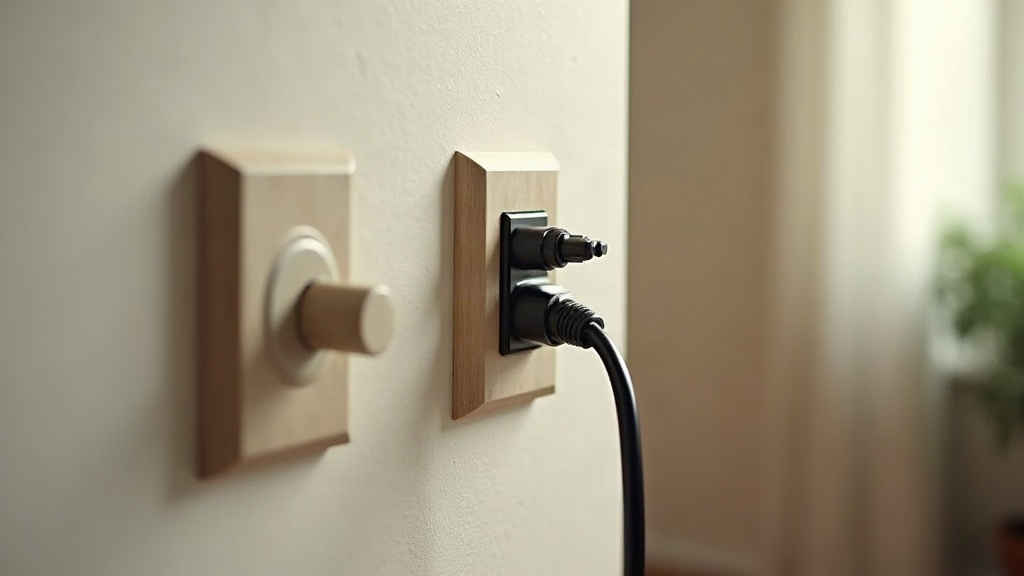
How to Hide Smart Plugs and Wires in Pre-1950s Homes (Without Wrecking the Plaster)
Upgrading a historic property with modern conveniences doesn’t have to mean ripping out the character that made you buy the place. If you’re staring at a bulky smart plug jutting out from a 1930s baseboard outlet wondering how to make it disappear, the trick isn’t to hide the tech, it’s to blend it into the bones of the house. Older homes come with lath and plaster walls, chunky baseboards, and often just one or two outlets per room, so the usual “run a cable behind the drywall” advice simply doesn’t apply here. Below are the real, non-destructive ways to keep your cords and smart adapters out of sight while keeping the plaster intact.
The Unique Challenges of Older Architecture
Houses built before 1950 weren’t designed with routers, hubs, or charging bricks in mind. Retrofit a craftsman bungalow, a Victorian, or an early colonial revival, and you’ll bump into the same handful of problems:
- Lath and Plaster Walls: Unlike drywall, plaster doesn’t forgive mistakes. Cut a hole to fish a wire through and you risk cracking a much larger section than you intended, and patching plaster well is its own skill.
- Shallow Electrical Boxes: The metal boxes behind historic outlets are often noticeably shallower than today’s standard. Try to cram a modern smart receptacle in there and it simply won’t fit.
- Scarcity of Outlets: Many rooms have just one or two outlets total, usually mounted low on the baseboard rather than at a convenient wall height.
Since tearing into the wall is usually overkill (and sometimes outright reckless), the smarter move is concealment, not construction.
5 Clever Ways to Conceal Tech in Historic Homes
1. Upgrade to In-Wall Smart Receptacles
Honestly, the cleanest fix is to stop using a plug-in smart adapter at all. Swap your existing “dumb” outlet for a built-in smart receptacle instead.
- How it helps: It sits flush with the wall, so from three feet away it looks like any ordinary outlet, no bulge, no cord dangling from it.
- The older home catch: Check the depth of your electrical box before you buy anything. A lot of pre-1950s boxes are too shallow for modern smart hardware. In that case, bring in a licensed electrician to install a retrofit deep box or an extender ring first. Don’t try to force a smart outlet into a box that’s half an inch too shallow, it’s a fire risk, not a shortcut.
2. Utilize Ornate Baseboards and Crown Molding
Older homes tend to have trim modern builders would never bother with anymore, thick baseboards, picture rails, sometimes full crown molding. Use it.
- Tuck low-voltage cables (speaker hub wires, LED strip cords) into the narrow gap where the baseboard meets the floor. It’s usually just wide enough for a thin cord and completely invisible unless you’re crawling on the floor looking for it.
- For longer runs, follow the top edge of a picture rail or crown molding. Because these sit near the ceiling, nobody’s eye naturally travels up there, so a cord running along that lip basically vanishes.
3. Employ Paintable Cord Covers
Need to run a wire straight up a plaster wall to power a smart display or a wall-mounted frame? Don’t cut into the plaster. Use a slim, paintable cord raceway instead.
Grab a D-line or half-round cover (they run about $5-10 for a 6-foot length at most hardware stores) and paint it to match your wall color exactly, not close, exactly. On beadboard or paneled walls especially, a painted raceway reads as a piece of trim rather than an exposed black cord snaking up to your smart frame.
4. Strategic Furniture and Vintage Decor
Sometimes you’re stuck with an external plug on a very visible baseboard outlet. When that happens, lean into the house’s own aesthetic instead of fighting it:
- Hollowed-out books: Grab a thick, worn hardcover from a flea market, hollow out the inside pages with a craft knife, and you’ve got a period-appropriate box that hides a smart plug on a side table in plain sight.
- Woven baskets: Set a rattan or wicker basket in front of the outlet, cut a small hole in the back for the cords, and your power strip and smart plugs disappear entirely. Costs maybe $15-20 and takes ten minutes.
- Floor mirrors and folding screens: A vintage floor mirror leaned against a corner, or an old wooden folding screen, can hide an entire tangle of hubs and cables behind it without anyone suspecting a thing.
5. Opt for Low-Profile and Right-Angle Plugs
Most standard smart plugs stick out two to three inches from the wall, which sounds minor until you’re trying to push an antique dresser flush against it in a tight 1920s bungalow bedroom. Skip the bulky version and go with a flat-plug smart extension or a side-entry smart plug instead. The cord runs flat against the wall, which means you can shove that heavy sideboard right back where it belongs and the outlet, plug and all, just disappears behind it.
A Crucial Note on Older Wiring
If your pre-1950s home hasn’t been fully rewired, there’s a decent chance you’ve still got active knob-and-tube wiring running behind those plaster walls. Be careful about piling on heavy electrical loads, and never wedge a warm power adapter or smart plug into a tight, unventilated cubby where heat has nowhere to go. When in doubt about what’s behind your walls, call a certified electrician before you start hiding anything.
Conclusion
Hiding smart plugs and wires in a pre-1950s home takes a little more patience than in a newer build, but it’s far from impossible. Use the trim you already have, paint a raceway to match your walls, tuck a plug behind a basket or an old book, and you’ll end up with all the convenience of a modern smart home without erasing the character that made you fall for this house in the first place.