Smart Feeder Automations to Prevent Canine Bloat Risk
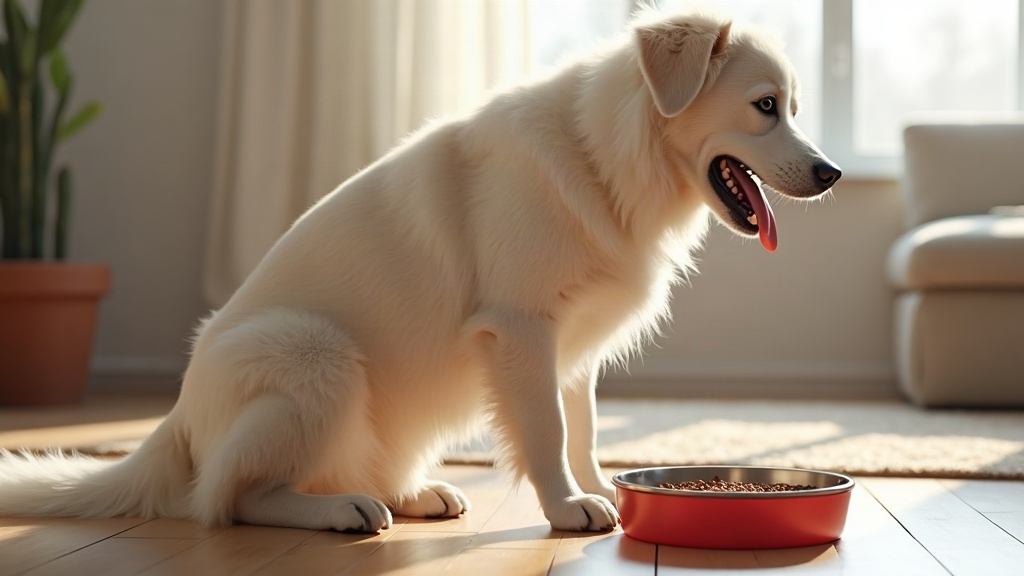
Scheduling Micro-Portion Smart Feeder Automations
Scheduling micro-portion smart feeder automations means breaking your dog’s daily food allowance into 4-8 small, timed meals instead of dumping everything into one or two large bowls. More vets are pointing owners toward this approach these days, mainly as a way to lower the risk of gastric dilatation-volvulus (GDV), the medical term for canine bloat. Below, I’ll walk through why portion timing actually matters, how to set up your feeder without overcomplicating things, and which schedules tend to work best depending on your dog’s breed and risk profile.
Why Bloat Risk Is Tied to Feeding Habits
Bloat happens when a dog’s stomach fills up with gas, fluid, or food and then twists on itself, cutting off blood flow in the process. It’s a genuine emergency, the kind that can kill a dog within hours, and it shows up disproportionately in large, deep-chested breeds: Great Danes, German Shepherds, Standard Poodles, Weimaraners, that whole body type.
Veterinary research keeps pointing back to a handful of risk factors:
- Eating one large meal per day instead of several smaller ones
- Rapid eating, where dogs gulp air right along with their food
- Vigorous exercise right after eating
- Elevated feeding bowls (some studies suggest a link, though the evidence here is honestly a bit shaky)
- Stress or anxiety at mealtime, which tends to make dogs gulp even more air
Smart feeders go after several of these risk factors at once, by controlling portion size, pacing, and timing with a consistency that’s nearly impossible to pull off by hand, day after day, especially if you’re not home at exact mealtimes.
How Micro-Portion Scheduling Works
Instead of programming your feeder for two 2-cup meals, you take that same daily total and split it into smaller, more frequent dispenses. Say your dog normally eats 3 cups a day across two meals. You could instead set up:
- 6 feedings of 0.5 cups each, spaced 2.5 to 3 hours apart during waking hours
- Or 4 feedings of 0.75 cups each, roughly 4 hours apart
The logic here is simple: less food sitting in the stomach at any given moment, slower overall intake, and no more “feast then crash” cycle that seems to feed into gas buildup.
Setting Up Your Smart Feeder
Most app-connected feeders on the market now (PetSafe, SureFeed, WOpet, and the like) let you schedule down to fairly granular detail. Here’s how I’d approach the setup:
1. Calculate your dog’s total daily food amount
Go with your vet’s recommendation, or the feeding guide tied to your dog’s actual weight and activity level. Skip the generic chart printed on the bag; it’s rarely tailored enough to matter.
2. Divide into 4-8 portions
Large and giant breeds prone to bloat do best at the higher end, think 6-8 small meals a day. Smaller breeds with lower bloat risk can usually get by fine on 3-4.
3. Set consistent time gaps
Don’t cluster meals too close together (keep at least 2 hours between them), and don’t leave such a long overnight gap that your dog ends up scarfing down an oversized “catch-up” portion come morning.
4. Enable slow-dispense or portion-pacing features
A lot of smart feeders include a “slow feed” mode that trickles food out gradually instead of dumping the whole portion at once. Pair that with your micro-schedule and you get a compounding effect.
5. Add buffer time around exercise
Build in at least 1 hour before and 1-2 hours after any walk, play session, or hard exercise. This window matters more than people realize.
Sample Weekly Schedule for a Bloat-Prone Breed
| Time | Portion |
|---|---|
| 6:30 AM | 0.5 cup |
| 9:30 AM | 0.5 cup |
| 12:30 PM | 0.5 cup |
| 3:30 PM | 0.5 cup |
| 6:30 PM | 0.5 cup |
| 9:00 PM | 0.5 cup |
Treat this as a starting template, not gospel. Adjust the portion sizes to match your own dog’s caloric needs.
Additional Tips to Reduce Bloat Risk
- Pair slow-feeder bowls or puzzle inserts with the smart feeder for an extra layer against gulping.
- Leave water available, but don’t let your dog chug it in large gulps right after a meal.
- Skip single large meals before bed. A full stomach combined with hours of nighttime inactivity is a known risk window, not something to brush off.
- Watch for symptoms: restlessness, unproductive retching, a belly that looks visibly swollen, or pacing after meals. These are emergency signs. Call your vet immediately, don’t wait it out.
When to Talk to Your Vet
Smart feeder scheduling helps, but it’s a management tool, not a guarantee. If your dog has a family history of bloat, has already survived a GDV episode, or belongs to a high-risk breed, talk to your vet about prophylactic gastropexy. This is a surgical procedure that tacks the stomach in place so it can’t twist, and for genuinely high-risk dogs, it’s often the single most effective thing you can do.
Conclusion
Scheduling micro-portion smart feeder automations is a low-effort, practical way to chip away at some of the everyday triggers behind canine bloat: slower eating, no more oversized single meals, steadier digestion through the day. Stack this with slow-feed bowls, smarter timing around exercise, and an honest conversation with your vet about your dog’s specific breed risk, and you’ve got about as complete a protection plan as you can build at home.