Smart Lock Solutions for Renters with Mortise Style Doors
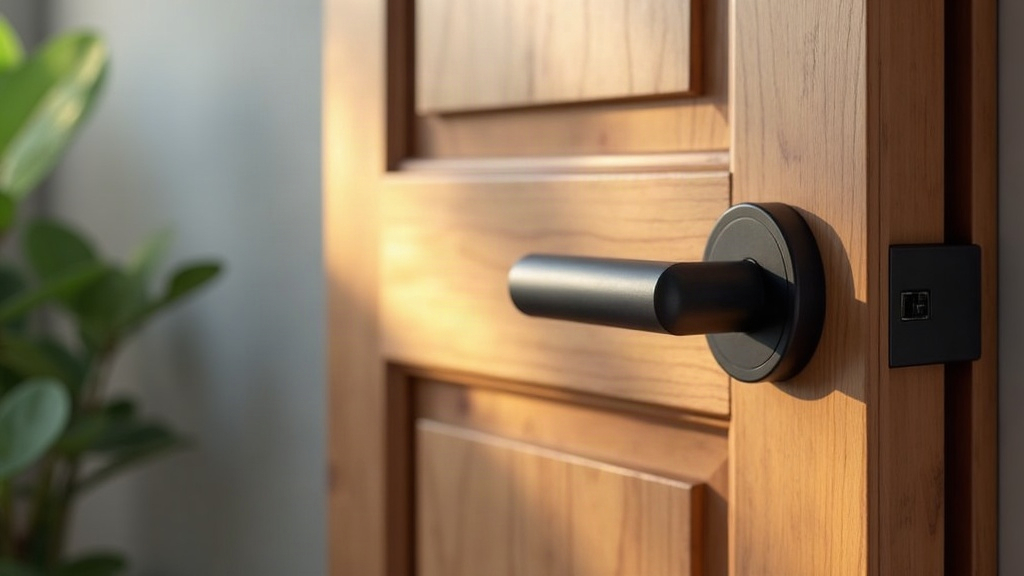
Why Mortise Locks Are Tricky for Smart Locks (And What Actually Works)
If you’re renting an apartment with one of those old mortise locks, you’ve probably already discovered the frustrating truth: most smart locks just won’t fit. Not even close. They’re built for standard round cylindrical deadbolts, and that’s not what you’ve got if you live in a prewar building, a brownstone, or pretty much any older structure in a historic neighborhood. The thick, rectangular mortise body sitting inside your door edge is a different animal entirely.
Here’s the good news, though. There are smart lock options built specifically with mortise doors in mind, and none of them require drilling, swapping out your lock, or having an awkward conversation with your landlord.
Why Mortise Locks Are Tricky for Smart Locks
A mortise lock lives inside a pocket carved into the edge of the door. It’s not just a deadbolt, it’s often a deadbolt, a latch, and a doorknob mechanism all fused into one chunky unit. Compare that to the simple round cylinder most residential deadbolts use, and you can see why retrofitting gets complicated fast.
A few specific headaches renters run into:
- Non-standard thumb-turn shape. Popular retrofit smart locks like August or Level are engineered to clamp onto a round turn-piece. Mortise locks, on the other hand, frequently have oval, offset, or lever-style turns that these products simply can’t grip.
- Thicker doors. Older buildings tend to use doors that are noticeably thicker than what modern smart locks were calibrated for. A door that’s 50mm thick might already be pushing the limit for some devices.
- No permanent modifications allowed. Most leases flat-out ban drilling new holes or ripping out the existing lock body. Fair enough, it’s not your door.
What to Look for in a Beginner Smart Lock for Mortise Doors
1. Retrofit Models with Adjustable Adapters
A handful of smart lock brands now ship adapter kits made specifically for European and mortise-style thumb turns. Look for language like “mortise lock compatible,” or check whether the box includes multiple turn-piece adapters. These attach directly over your existing thumb turn and rotate it mechanically, meaning your original lock and key keep working exactly as before, just with a motor doing the twisting now.
2. Lock Boxes with Keypad Access
Sometimes the mortise mechanism just won’t accommodate a retrofit motor, no matter what adapter you try. In that case, a smart key box (sometimes called a key safe) mounted beside the door is your best bet. You store your actual physical key inside, then unlock it with a keypad code or a phone app. Technically it’s not a “smart lock” in the motorized sense, but who cares? It solves the actual problem, keyless entry, without touching the mortise mechanism at all.
3. Smart Door Levers for Mortise Trim
A few manufacturers build smart levers that swap out only the interior lever or knob portion of a mortise set, leaving the mortise case itself untouched. These are fully reversible, which makes them genuinely landlord-friendly: box up the original hardware, stash it in a closet, and reinstall it the day you move out.
Step-by-Step: Testing Compatibility Before You Buy
- Measure your thumb turn. Is it oval, round, or lever-shaped? Grab a ruler and note the diameter too.
- Measure door thickness. Most retrofit smart locks list a maximum supported thickness, usually somewhere between 40 and 55mm. Mortise doors can easily blow past that number.
- Check the backset and lock height. Mortise faceplates run taller than standard deadbolt plates, so double-check that the smart lock’s mounting bracket won’t collide with existing hardware.
- Read the “mortise lock” compatibility section in the manual or product listing. The decent brands will just tell you yes or no, no guessing required.
Installation Tips for Renters
- Bag up every original screw and piece of hardware, label it, and keep it somewhere safe for move-out day.
- Use 3M adhesive strips or non-drilling mounting plates whenever the manufacturer offers that option.
- Test the lock with the door wide open first. Make sure the motor can fully turn the mechanism without jamming or straining.
- Keep a physical backup key within reach. Mortise locks can be notoriously stiff, and battery motors have a habit of losing steam in cold weather, right when you need them most.
Quick Comparison of Renter-Friendly Options
| Solution | Modifies Lock? | Best For |
|---|---|---|
| Retrofit adapter smart lock | No (clamps over turn) | Round/oval thumb turns |
| Smart key lock box | No | Any mortise lock, simplest setup |
| Smart lever replacement | Partial (reversible) | Mortise sets with removable lever trim |
Final Thoughts
An old mortise lock doesn’t mean you’re stuck without smart home convenience. Go with an adapter-based retrofit lock, a keypad key box, or a reversible lever swap, and you can add keyless entry without breaking your lease or damaging a single original part. Just measure twice, check compatibility before you hit “buy,” and keep those original lock pieces tucked away somewhere safe for the day you hand back the keys.